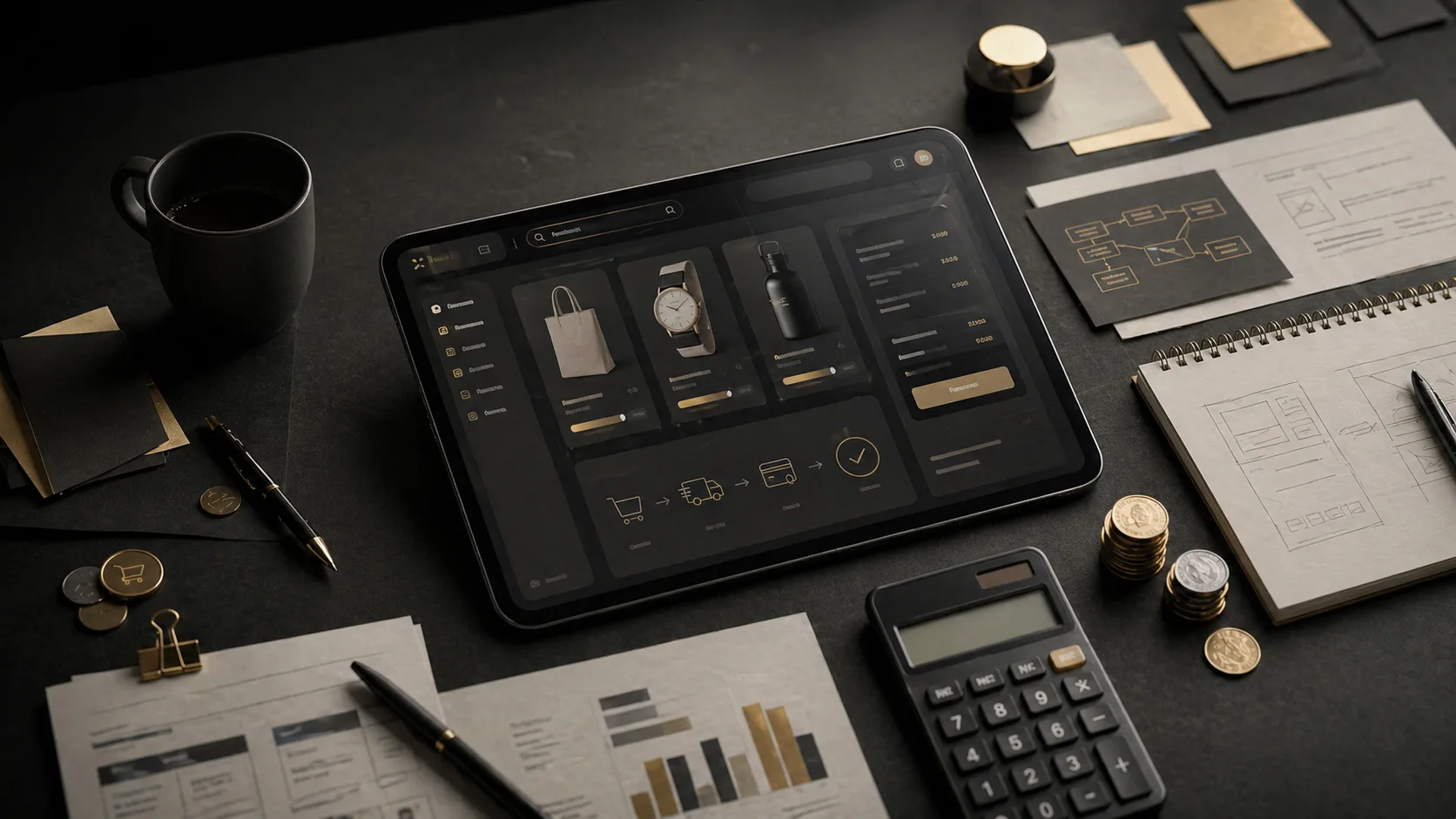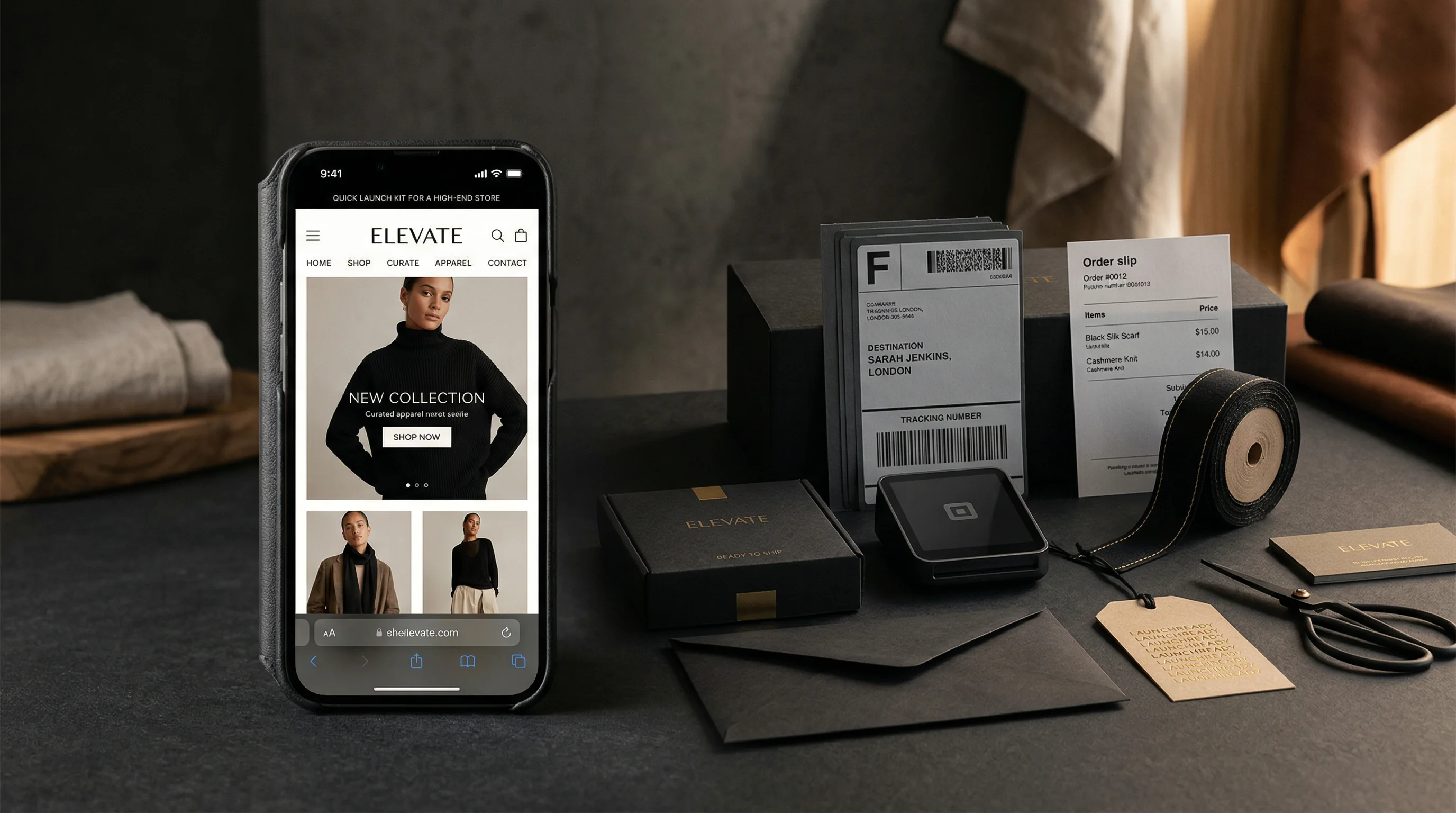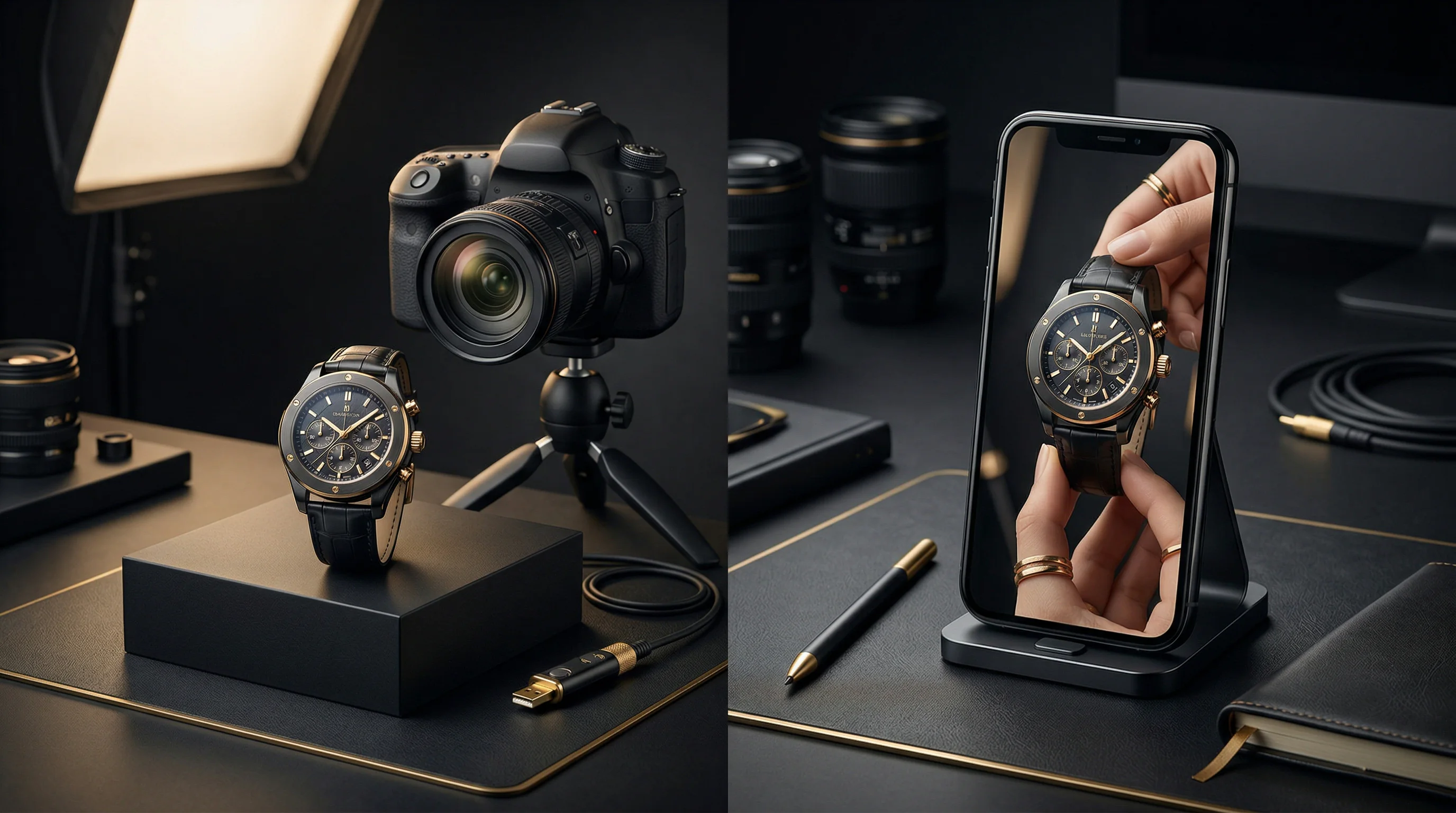
AI visuals do not replace studio production. But in many tasks they help a business launch a catalog, ads, or the first launch faster and more calmly than a classic shoot with a long prep chain.
The usual mistake appears at both extremes. One side expects AI to replace the entire production process. The other side assumes that without a studio, crew, and full shoot day there is no way to present a product well. In practice, the workable strategy is usually somewhere between those extremes.
When studio production is still needed
- You need an image campaign where real emotion, atmosphere, and direction are central to the result.
- The product is complex in texture, fit, or interaction, and showing that honestly in real light is critical.
- You need portraits of the team, the founder, or a real environment that should not be simulated.
- The visual layer is expected to live for a long time and become the base of a larger brand campaign.
In those cases, studio production remains a strong tool. The point is not to reject it forever, but to stop sending every task there by default.
When AI visuals create a better starting point
Catalog and product pages
If the priority is to quickly assemble a clean product presentation, AI helps launch the catalog without a long organizational chain.
Hero visuals
For launch pages, new collections, or special projects, a strong visual layer can be prepared without a separate shoot day.
Advertising tests
When several ideas need to be tested, fast visual iterations are often more valuable than perfect production on the first attempt.
The first stage of launch
If the product already needs to go live, AI-supported visuals help the business stop waiting weeks for materials that are blocking the start.
What this means for timing and budget
This is not a universal price list. It is a practical comparison. When a brand needs a small set of materials for a catalog or launch, a classic shoot usually means more coordination, more time, and more people.
Studio scenario
- Team coordination and slots.
- Studio rental, model, stylist, and logistics.
- Separate waiting time for selection and final processing.
- Usually that means days of preparation plus the shoot day itself.
AI-supported scenario
- Base materials can come from what the team already has.
- A strong visual layer can be assembled without a separate studio or a large team.
- New options and edits appear quickly, without restarting the shoot.
- For catalogs and tests, this often shortens the timeline from weeks to days.
The real gain here is not only budget savings. It is that the business gets workable material faster and does not keep the launch suspended.
The most useful advantage of AI is testing speed
When visuals are needed not "forever" but for a landing page, an offer test, a main page visual, or a campaign variation, the speed of change becomes the decisive factor. That is where AI visuals often win.
- You can assemble several visual directions for different pages or channels much faster.
- It becomes easier to refresh the visual layer for new launches, drops, or ad tests.
- A consistent style can be maintained without organizing a new shoot every time.
Where AI still has limits
There needs to be an honest line here too. AI is not a magic button. It still requires proper quality control, and it does not fit every type of brief equally well.
- Complex textures and fine details need extra review.
- Large brand campaigns may still need a more human feel that comes from a live shoot.
- The final selection still matters if the result is expected to look confident and honest.
Source
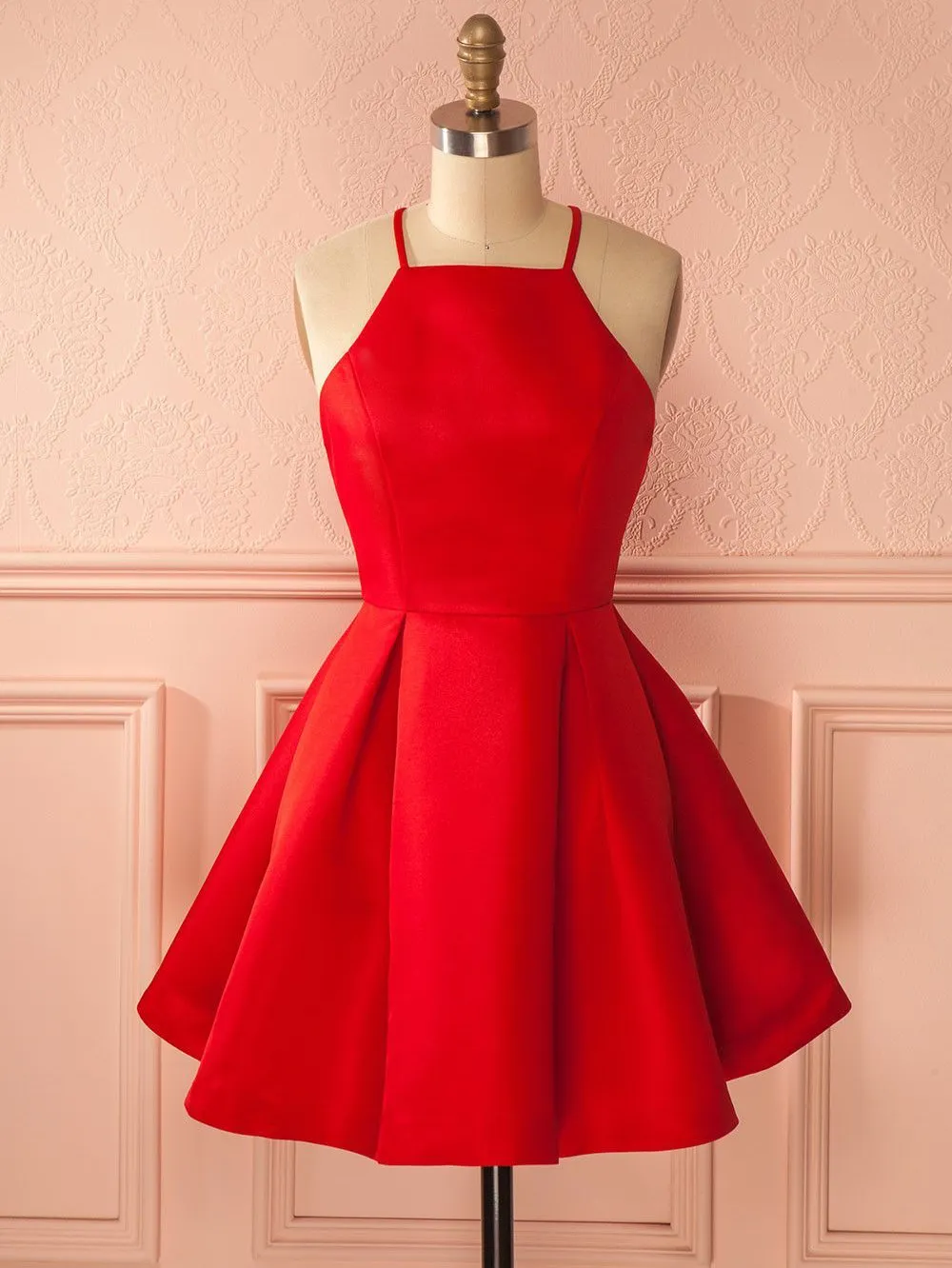
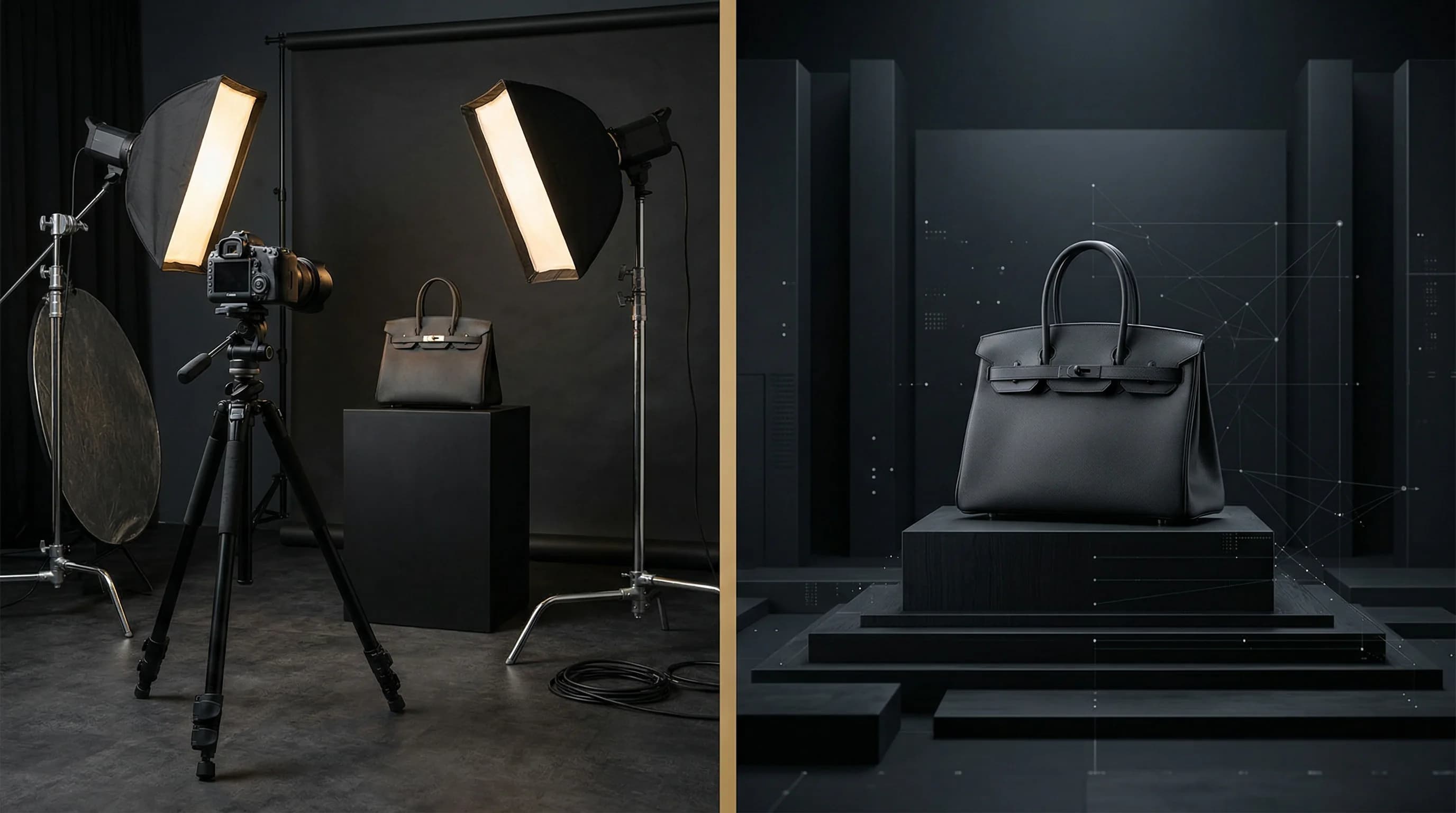
New visual layer
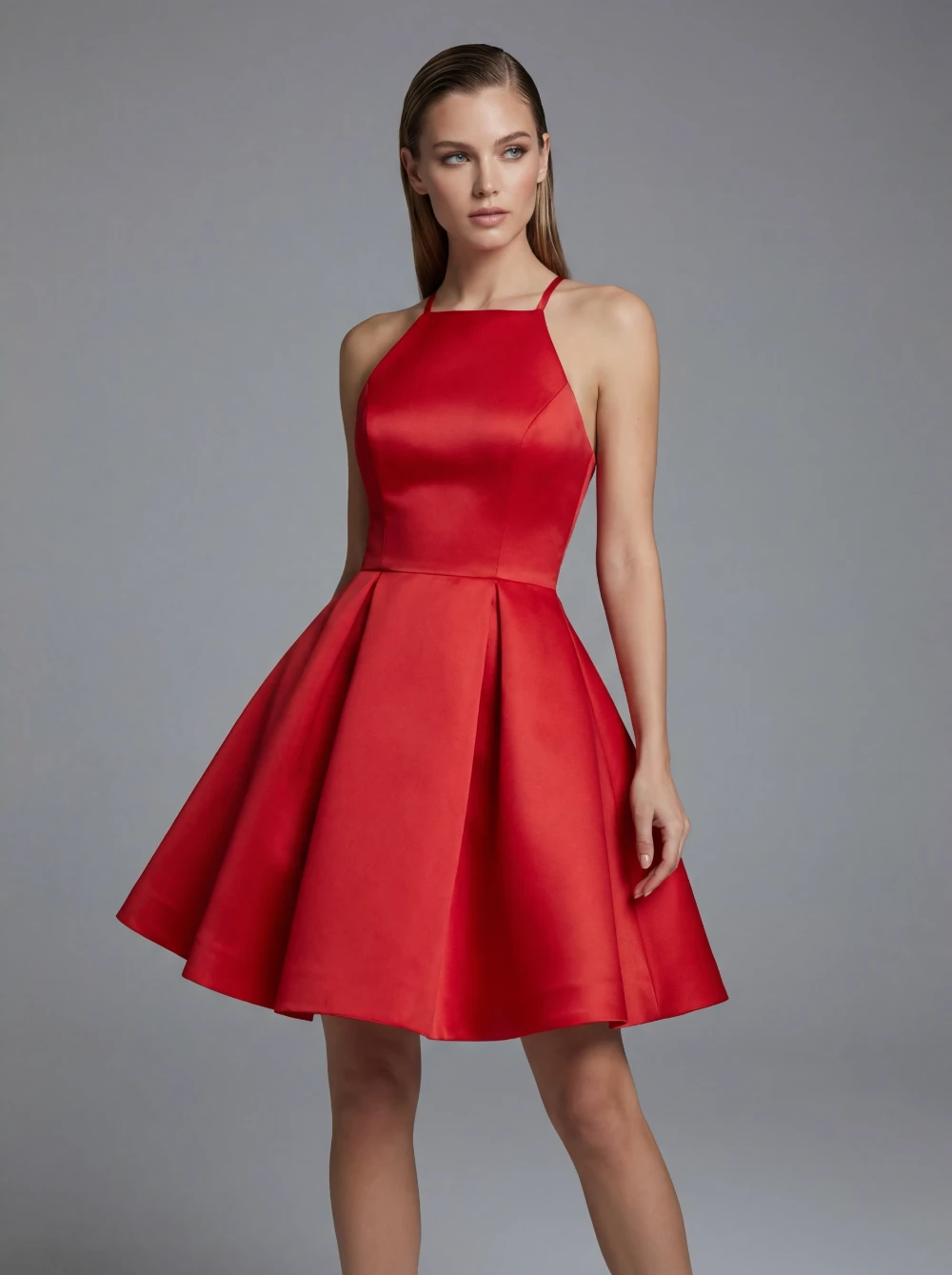
AI visuals are especially useful when basic source material needs to become a working catalog presentation quickly.
Conclusion
If the job is a large image campaign, studio production remains the stronger choice. If the task is to quickly prepare a catalog, hero visuals, campaign materials, or the first launch of a product, AI visuals often become the more practical choice.
The best approach is usually not "either-or", but a combination of tools for a specific task. The business wins when it chooses not the trendiest method, but the one that fits the current stage.
Need to understand which visual format fits your launch?
We can review the task and tell you where AI visuals make sense and where a studio shoot is the more honest choice.